The Iowa Attorney General warns of increasing spam text messages, highlighting state's strict Spam Call laws. Avoid responding to unsolicited texts, report suspicious messages, and register on Do Not Call registry. Stay vigilant, verify sender identities, block senders, and use privacy settings to combat spam calls. A Spam Call law firm Iowa aids in understanding rights, protecting personal data, and navigating legal actions against violators.
In today’s digital age, Iowa residents are increasingly plagued by unwanted spam calls, posing significant risks to their privacy and security. As the number of fraudulent and deceptive text messages surges, it has become imperative for consumers to be vigilant and informed. This article provides a comprehensive overview of the challenges posed by these spam texts and offers crucial guidance from the Iowa Attorney General’s office on how to protect yourself. By understanding the legal framework, particularly the Spam Call law firm Iowa has in place, citizens can navigate this modern-day enigma and safeguard their personal information effectively.
Understanding Iowa's Spam Call Laws

Iowa Attorney General has recently issued a warning to residents about the increasing prevalence of spam texts, emphasizing the state’s strict Spam Call laws. These laws are designed to protect consumers from unwanted and deceptive messaging, which has become an increasingly prevalent issue in today’s digital age. The Iowa Spam Call law firm is well-versed in these regulations, ensuring that businesses and individuals alike understand their rights and responsibilities.
Under Iowa law, it is illegal for any person or entity to use automated dialing systems or pre-recorded messages to contact individuals without their prior express consent. This includes text messages sent from unknown or unverifiable numbers, often used by spammers to evade detection. The Attorney General’s office has reported a surge in complaints related to these spam texts, many of which promote illegal activities or contain malicious links designed to compromise personal information. As such, it is crucial for Iowans to be vigilant and familiarize themselves with the legal protections available.
Consumers can take several proactive steps to defend against spam calls. Firstly, never respond or interact with unsolicited text messages, as this may inadvertently verify your number as an active contact point. Instead, report suspicious texts to the Attorney General’s office, who work diligently to investigate and take action against violators of the Spam Call law in Iowa. Additionally, consider registering your phone number on the state’s Do Not Call registry, which can help filter out most unwanted calls. By combining these measures with staying informed about evolving legal protections, Iowans can better navigate this digital challenge.
Identifying and Reporting Suspicious Texts
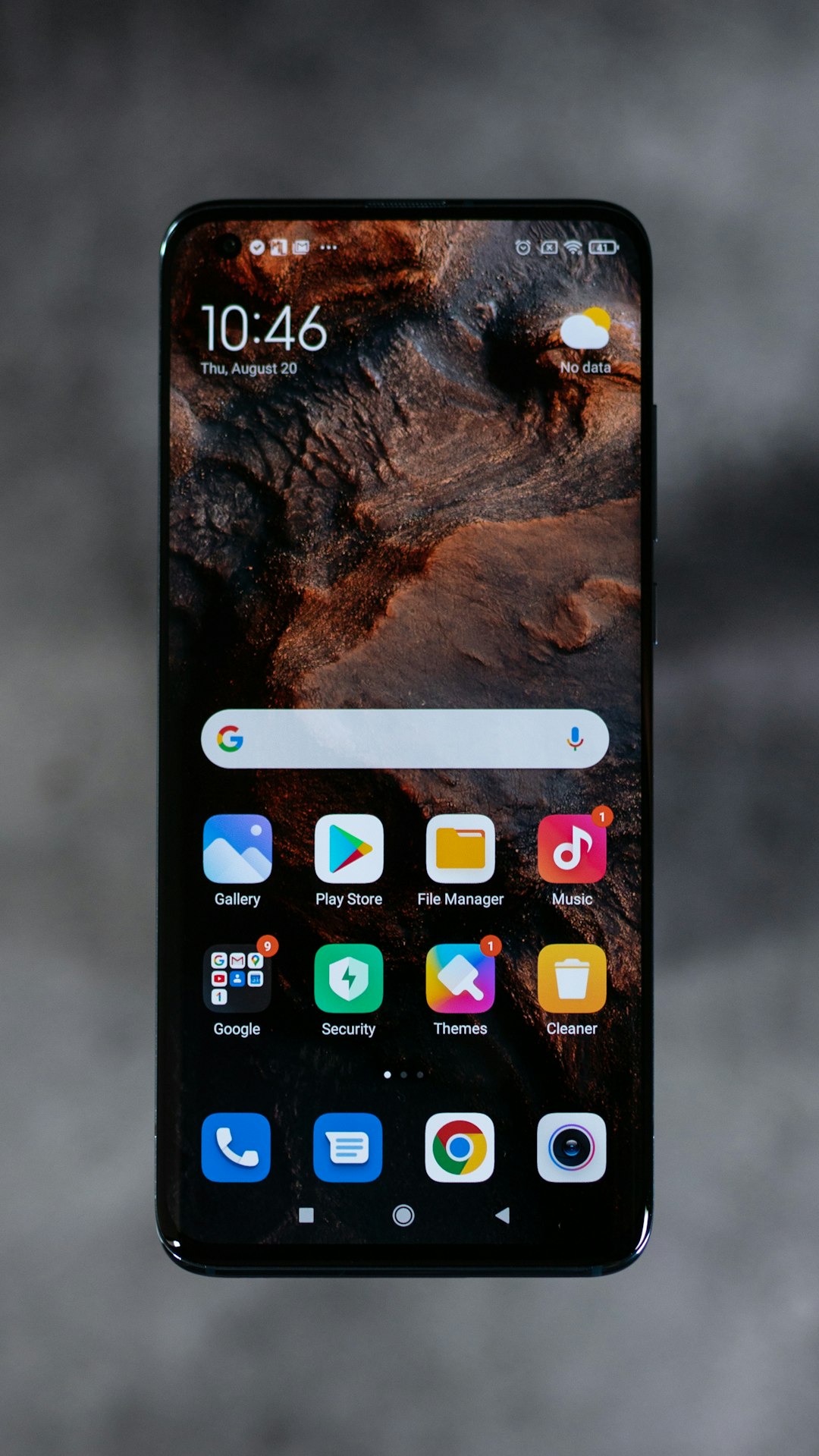
Iowa Attorney General has recently issued a cautionary note to residents regarding the increasing prevalence of spam texts, emphasizing the importance of recognizing and reporting suspicious messages. Spam Call laws are in place to protect consumers from unsolicited and harmful communications, particularly as technology evolves. These text messages often appear to be from legitimate sources but can contain malicious links or request personal information, putting individuals at risk for identity theft or financial fraud.
Identifying these spam texts requires keen awareness. Common indicators include unknown senders, urgent requests for action, or unusual language and spelling errors. For instance, a recent trend involves scammers posing as government agencies or financial institutions, demanding immediate payment to avoid consequences, often via text messages that appear to be from official sources. It is crucial to verify the sender’s identity independently before responding.
Reporting such incidents is an active step in combating this growing issue. Consumers can forward the spam texts to the Iowa Attorney General’s office for analysis and potential legal action against violators of state Spam Call laws. By engaging in this practice, individuals contribute to a wider effort to protect their communities from these manipulative tactics. Staying informed, being vigilant, and taking proactive measures are key to safeguarding personal information in an increasingly digital world.
Legal Actions Against Unwanted Text Spammers

The Iowa Attorney General’s Office has been actively pursuing legal actions against spammers who utilize text messages as their primary method of communication. These efforts underscore the state’s commitment to protecting consumers from unwanted and fraudulent spam calls, a growing concern in the digital age. Recent cases have targeted individuals and businesses that send mass text messages without prior consent, often containing promotional content or even malicious links designed to steal personal information.
Iowa has implemented strict regulations regarding spam calls, including provisions under the Telephone Consumer Protection Act (TCPA). The law prohibits unsolicited text messages sent for marketing purposes unless the sender obtains explicit permission from recipients. In response to a surge in consumer complaints, the Attorney General’s Office has initiated multiple investigations and secured settlements against several notorious spammers. One notable case involved a firm based outside of Iowa that bombarded residents with promotional texts, leading to significant monetary penalties and a court order halting their abusive practices.
Practical advice for individuals facing these issues includes never engaging or responding to spam text messages. It is crucial to block the sender’s number and report suspicious activity to local law enforcement or regulatory bodies like the Federal Trade Commission (FTC). Additionally, consumers can benefit from utilizing do-not-call lists and privacy settings offered by their mobile service providers. By staying informed and proactive, Iowans can mitigate the risks associated with spam calls and ensure they remain in control of their personal communication channels.
Protecting Yourself from Future Spam Calls

The Iowa Attorney General’s Office recently issued a warning to residents about the growing issue of spam texts, emphasizing the need for Iowans to protect themselves from future unwanted communication. This alert underscores the significance of understanding and combating spam call laws, especially as these deceptive practices evolve. The rise of automated text messages promoting various products, services, or even fraudulent schemes has become a persistent problem, affecting countless individuals across the state.
To safeguard against such intrusions, Iowans should adopt several proactive measures. Firstly, never respond to unknown or suspicious texts, as this may inadvertently verify your number as active, leading to an influx of further spam. Instead, block the sender immediately using your phone settings. Secondly, be wary of clickbait links embedded in these messages; they could direct you to malicious websites designed to steal personal information. A reputable spam call law firm Iowa can educate individuals on identifying and reporting such instances, contributing to a collective effort to deter spammers.
Regularly reviewing privacy settings on your devices is another effective strategy. Limiting the access apps have to your contact list and messages significantly reduces the potential for your number to be targeted. Additionally, consider using text filtering services or applications that block known spam sources. By combining these precautions, Iowans can significantly reduce their exposure to spam calls, ensuring a quieter and more secure communication environment.